
ISSUE #023 | THE LEADERSHIP CONTRARIAN
I am, by most reasonable measures, weirdly obsessed with kitchen gadgets.
I own two sous vide machines, from different brands, and there's a story behind that. I have Cutco knives I bought back in college, and I still talk about them today - thirty years later - to anyone who will listen. I get genuinely excited about most cool kitchen gadgets. And I have strong, possibly unreasonable opinions about can openers.
Stay with me here. There's a point coming.
When I'm looking at buying something for the kitchen, I read reviews. If it's under twenty dollars, I want to know if it's junk or surprisingly good. If it's over twenty dollars, I want video reviews, I want to see chefs I respect using it, and I want input from people I trust personally. I don't think I'm unusual in any of this. I think most of us do the same thing, whether we're buying a can opener or a car.
Now, about that can opener.
You'd think a can opener doesn't matter. It's the most boring item in the kitchen drawer. But the ones I grew up with in the seventies were awful - thin metal handles, tiny turning knobs that hurt your hand, and a charming habit of slipping, breaking, or refusing to grip the can at all.
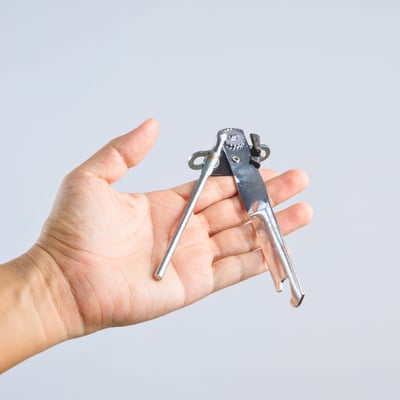
So when I look at can openers today, I have opinions. I want a big handle. I want a big turning knob. I want the thing to work the first time, every time, for ten years.
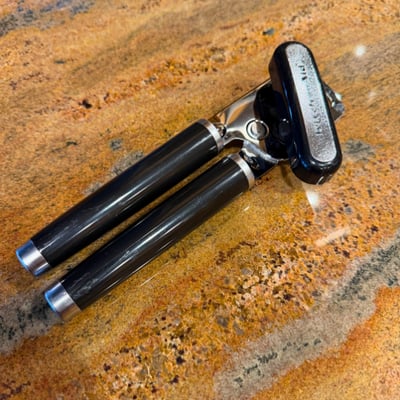
And here's what's fascinating. On Amazon, within the same price range, you can buy a can opener that is junk, decent, or surprisingly excellent. I can tell which one it'll be before I click "buy" - because the reviews tell me everything.
Every one of those reviews is a testimonial.
We Are Surrounded by Testimonials
We live inside a constant stream of testimonials. We always have, but the volume now is staggering.
- Apple customers rave about Apple products.
- Yeti owners advocate for Yeti the way I once advocated for whatever band I was into in 1997.
- Traeger owners become evangelists. Not customers. Evangelists.
- Cutco knife owners (I’m one of them) will corner you at a dinner party.
- Dyson users somehow become emotionally invested in a vacuum cleaner.
We trust reviews. We trust referrals. We trust the chef we follow who casually shows the brand of pan she's using. I have a friend named Carrie who is an extraordinary home cook. When she cooks, it is delightful and almost always interesting, with a little surprise tucked in somewhere. Cooking comes up often when we talk - recipes, ingredients, technique, seasonings, the difference between one cut of meat and another. She has never once told me what equipment to buy, but over the years she has shaped how I think about food. That is its own kind of testimonial; the slow, trustworthy kind that builds between people who actually know each other.
We are surrounded by testimonials. And as consumers, we instinctively understand their power.
Here's the contrarian observation:
Most business owners and leaders understand the power of testimonials when they're acting as consumers, but they fail to make the connection back to their own business. They fail to intentionally create testimonial-worthy experiences in their own companies.
What is a Great Testimonial?
I bought my first sous vide machine more than twelve years ago.
I bought it because of testimonials. Articles. YouTube videos. Chefs I respected. I didn't personally know anyone who actually owned one, so eventually I took the risk and bought it. And it changed how I cook.
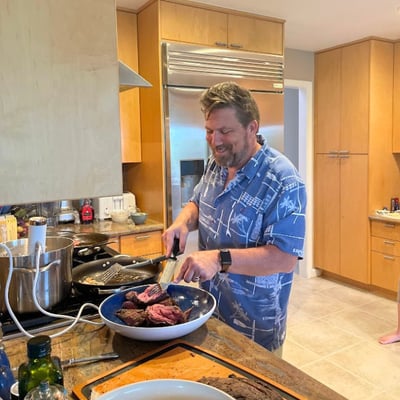
My filets come out like butter. My salmon converts people who say they don't like salmon. I can take a cheap cut of meat and make it taste expensive, with very little effort - just the right tool, the right technique, and a little patience. I now own two machines because I sometimes cook two different things at once for the same meal. The first brand, sadly, went out of business. I would have bought a dozen of theirs.
And now I'm that guy. I tell anyone who will listen. I tell our dinner guests. I'd tell you right now if you were sitting across from me. I'm a walking testimonial, not because someone asked me for one, but because the product genuinely transformed how I cook for the people I love.
This is the part most business owners miss.
A great testimonial is not a marketing artifact. A great testimonial is evidence of transformation.
People talk about things that genuinely improve their lives. Always. It’s not a marketing trick. It’s a feature of being human. Transformed people naturally become advocates, witnesses, and storytellers. People trust transformed people.
Here is the trap most businesses fall into:
They get reactive about testimonials. They build a product, sell a service, and then somewhere down the line they realize they need testimonials for the website or the next sales asset. So they go ask for them. Usually awkwardly. Usually too late.
The reactive approach treats testimonials as a marketing problem.
The intentional approach treats testimonials as the natural byproduct of an extraordinary customer experience.
Two completely different operating systems.
The difference comes down to one question:
Most companies ask: "How do we deliver the product or service?"
The best companies ask: "How do we transform the customer's experience?"
Transformation can mean a lot of things. Eliminating a recurring frustration. Creating real delight in an ordinary moment. Increasing the customer's confidence. Saving them time. Making something easier. Improving reliability they can count on for a decade. Solving a stubborn problem better than anyone else has.
A mediocre company sells can openers. A remarkable company obsesses over the experience of opening a can - smooth, frustration-free, durable, reliable, surprisingly satisfying ten years in. Same product category. Wildly different operating philosophy. And only one of those companies is going to have customers who corner strangers at dinner parties.
This is not manipulation. This is craftsmanship. This is thoughtful, strategic leadership applied to the work of building something genuinely worth talking about.
The Progression That Earns Testimonials
Here is something worth noticing. Before a testimonial becomes a polished testimonial, it first shows up as customer feedback and customer research.
The full progression looks like this:
- You intentionally create a transformational experience.
- You listen carefully to how customers respond.
- You refine the experience based on what you hear.
- The testimonials begin to collect themselves.
- Customers become enthusiastic advocates.
- Word of mouth compounds, and the business becomes more stable, more consistent, and more resilient over time.
Great testimonials are not collected. They are earned.
Both sides win in this model. The customer wins because their experience genuinely improves - their life is a little easier, a little better, a little more delightful. The business wins because testimonials get easier to collect, feedback becomes valuable research, products and services improve faster, referrals increase naturally, and word of mouth begins to compound.
There is an older parallel here worth considering.
The story of Christianity spreading across the ancient world was not, in any sense we would recognize today, a marketing story. It was a transformation story. Lives changed. People who had encountered something real could not stop telling others what had happened to them. The early movement spread through transformed people sharing what they had personally experienced - witnesses, in the original sense of the word.
It’s a reminder that the dynamic at work in any genuinely transformational experience is a deeply human one. People naturally share what meaningfully changes them.
That is true of faith. It’s true of friendships. It’s true of a sous vide machine. It’s true of a leadership coach who finally helped someone see themselves clearly. It’s true, in a smaller way, of a really well-made can opener.
The shape of the dynamic is the same. Real transformation is worth talking about.
The Question We Should Be Asking
I have to be honest about something.
We could all remember to do this better, including myself. It’s easy to get heads-down on delivering the product and forget that delivery is not the goal, transformation is. It’s easy to ask for testimonials when what we should be asking is, what kind of experience are we actually creating?
So here’s a question worth holding up to your own business this week.
When someone asks your customers what they think of your company, your product, or your service, what do you hope they say? And, more pointedly: what would they actually say right now, if no one was coaching them?
The goal is customers who light up. The goal is the answer that begins with, "Oh my gosh, this company is amazing - let me tell you what they did for us."
That does not happen by accident. It happens by design.
Satisfied customers stay. Delighted customers recruit.
Build something worth talking about, and the talking takes care of itself.
If this was helpful to you, email me and let me know.
Until next time,
Keep learning.
Keep growing.
And God bless,
Michael


